
Museums of Alicante
People come to Alicante not only to swim in the sea, sunbathe on the beach, and relax in the shade of palm trees, but also to enjoy its rich history, vibrant cultural life, and visit museums that help truly understand this region and Spain as a whole. The museums of Alicante are mostly compact and conveniently located relative to the most popular pedestrian and bus routes, which is why they attract even those who did not originally plan to visit them. In this article, we will tell you about the ones that are definitely worth seeing.
Which Museums to Visit in Alicante: List of Popular Places
The history of the city spans more than two thousand years. Iberians, Romans, Arabs, and Christians lived here at different times. Each period left its mark on the architecture, culture, and traditions. That is why local museums do not feel formal or detached from life — they are directly connected with what you can see on the streets, while attending traditional festivals and even enjoying local cuisine in cafés.
MARQ – Archaeological Museum of Alicante
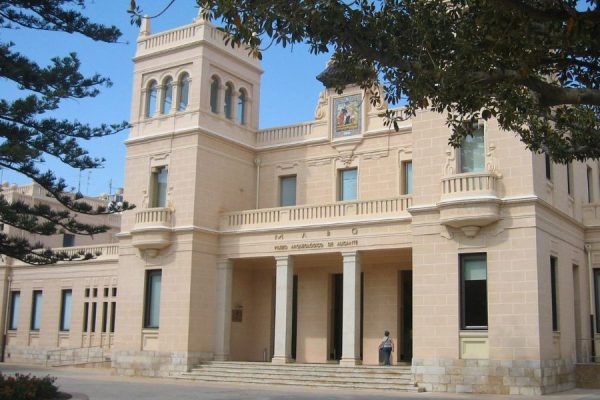
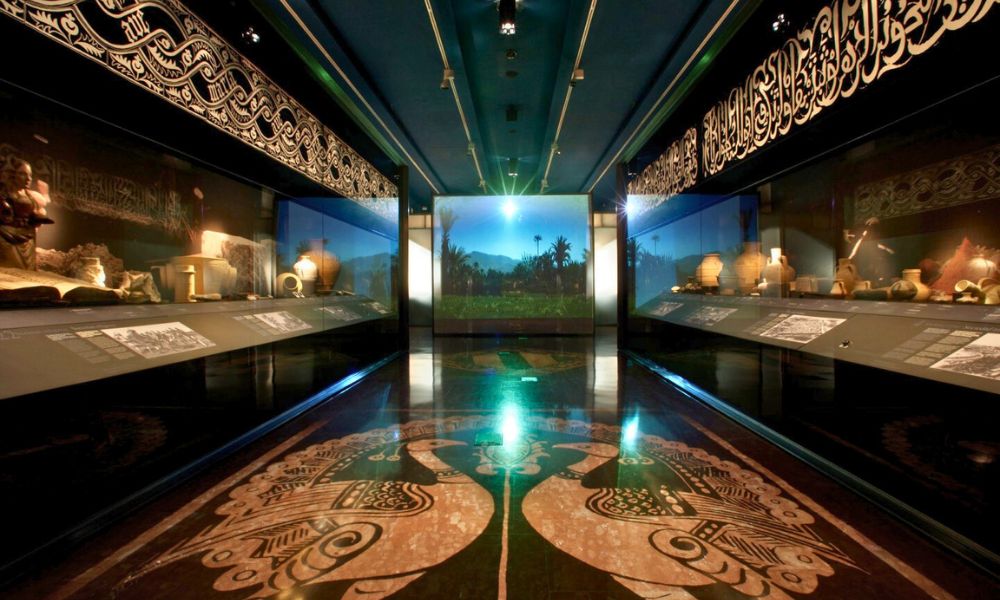
This is one of the most famous and internationally recognized museums in the city, and it fully deserves its reputation. It is not a classic museum with display cases, but a modern space where history is presented through scenarios, reconstructions, and multimedia. There is a hall with a ship, an imitation of an excavation site, and much more. According to historical records, it was founded in 1932 and was originally located on the lower floors of the provincial assembly building near the railway station. In 2002, it moved to a building that previously belonged to the San Juan Hospital.
Here you can find exhibits from different eras — from the Paleolithic to the present day. Most of them relate directly to the city or were found in the surrounding area. MARQ regularly hosts interesting thematic exhibitions: from ancient Egyptian times to contemporary art.
Address: Plaza del Doctor Gómez Ulla, near the MARQ tram stop. Opening hours: Tuesday to Friday — 10:00 to 19:00, Saturday — 10:00 to 20:30, Sunday and public holidays — 10:00 to 14:00. Closed on Mondays. Website
Ticket prices: Standard ticket — €6, with a guide — +€1.50 per person, children under 7 enter free, reduced ticket — €3.
This place is ideal for a first acquaintance with the region’s history and is great for visiting with children and teenagers.
MARQ Museum
MACA – Museum of Contemporary Art
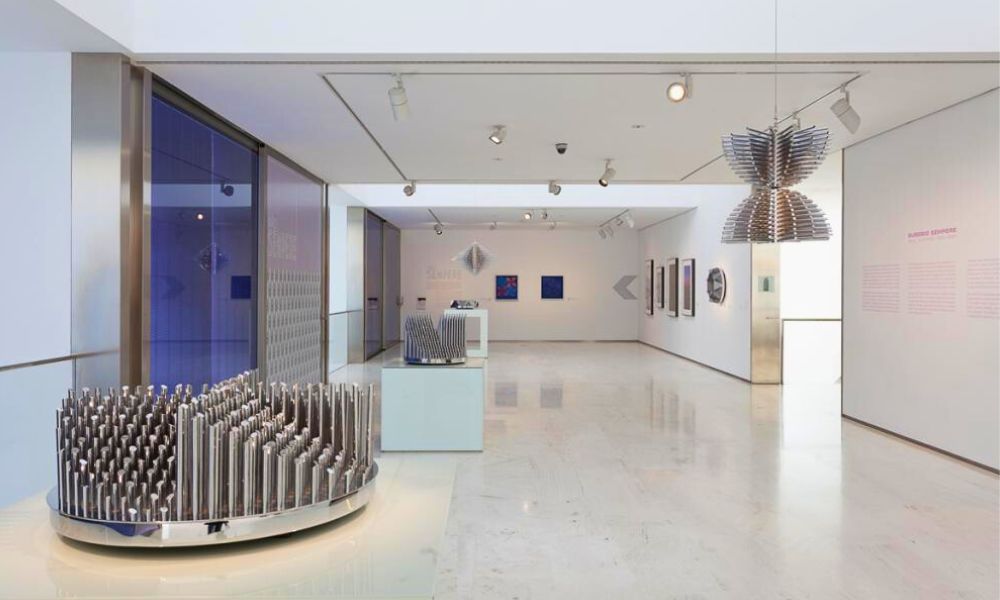
MACA is the Museum of Contemporary Art of Alicante. It is located in the very center of the Old Town, near the City Hall, and often becomes an unexpected but pleasant discovery for tourists. It is housed in a historic building dating back to 1685, next to the Church of Santa María. The museum’s halls mainly feature 20th-century collections, including works by Juan Gris, Julio González, Eusebio Sempere, and others. Most of the artworks were donated to the museum by patrons. You can also see works by Picasso, Dalí, Miró, and other renowned masters. The exhibition is compact, well-structured, and not tiring.
Address: Plaza de Santa María. Website. Opening hours: Tuesday–Friday from 10:00 to 20:00, Saturday from 11:00, Sunday and public holidays from 10:00 to 14:00. Closed on Mondays. Entry: Free.
MACA will appeal to lovers of contemporary art, those who prefer calm, bright spaces, and anyone who wants to see something interesting without spending too much time.
MACA Museum
Museum of Water
The Museum of Water in Alicante is located in one of the oldest quarters of the city, on Plaza del Puente, near the entrance to La Ereta Park. The park is situated on Benacantil Mountain, at the top of which is another historic landmark — Santa Bárbara Castle in Alicante.
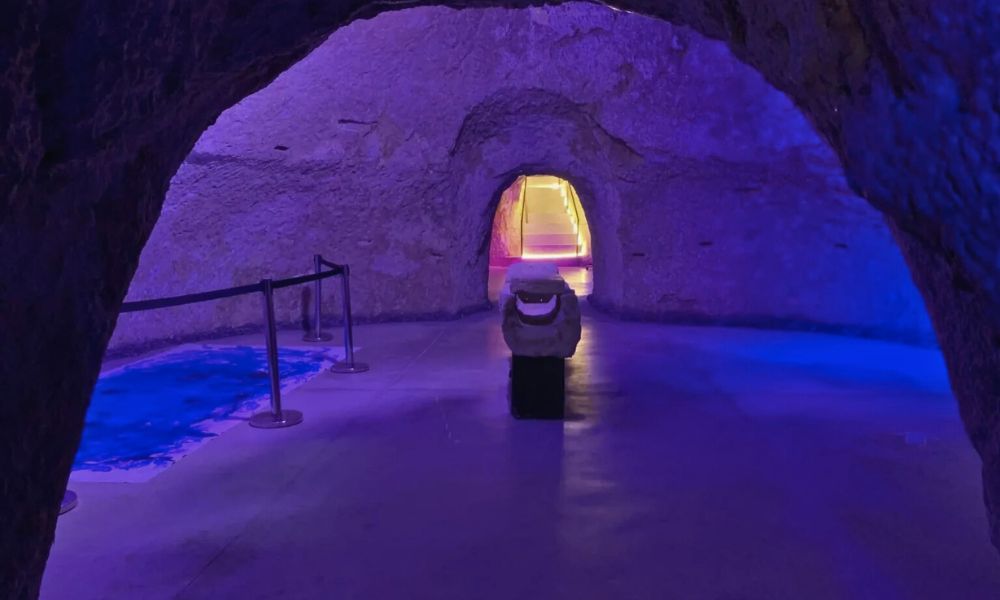
The museum occupies three full floors of cultural and educational space dedicated to the history of water in this beautiful city.
Address: Plaza del Puente (Old Town). Website. Opening hours: In winter — Tuesday to Friday 10:00–14:00 and 17:00–20:00, Saturday and Sunday 10:00–14:00. In summer — Tuesday to Sunday 11:00–14:00 and 18:00–21:00, Saturday and Sunday 10:00–14:00. Entry: Free.
Museum of Water (Museo de Aguas)
Museum of Illusions
The Museum of Illusions in Alicante features interactive exhibitions where optical illusions and scientific principles are successfully combined with visual effects, turning into an engaging game that leaves unforgettable impressions. It is excellent for a family visit, meeting friends, or cultural leisure. The museum allows visitors to combine educational value with entertainment. The exhibits occupy 700 m² and include more than 70 interactive objects. According to our tourists, the most notable are the Ames Room and the Vortex Tunnel. Almost all exhibits can be touched and interacted with in various ways, and they are perfect for beautiful photos.
Address: Avenida de Ramón y Cajal, 8. Opening hours: Daily from 10:00 to 20:00. Ticket prices: Adults — €15, students and schoolchildren — €12, children 3–6 years — €5, children under 3 — free. Tickets are easier to buy online.

Museum of Illusions
Lesser-Known but Interesting Museums in Alicante
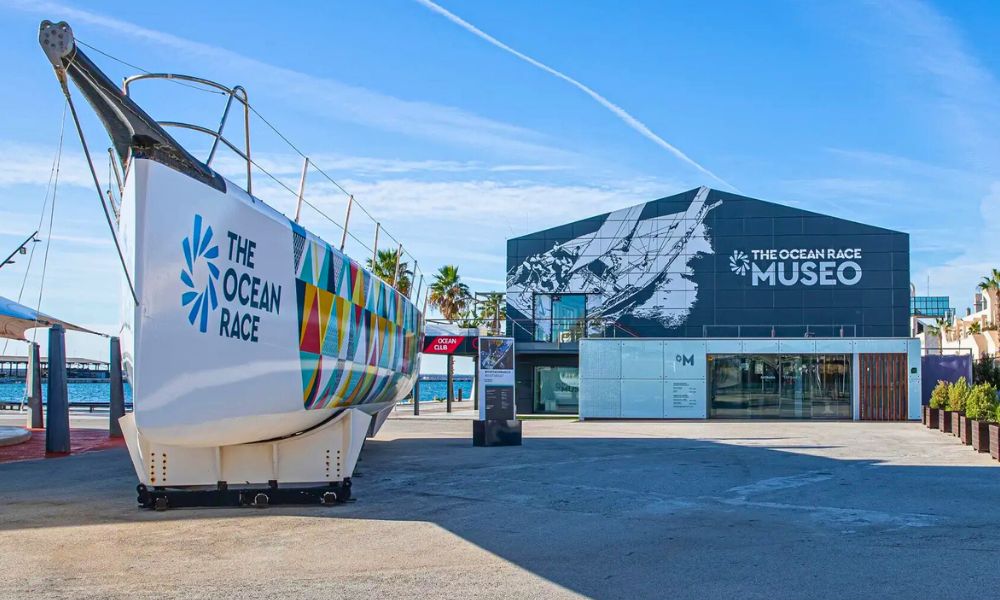
Museum of Sailing — a small interactive space dedicated to the legendary round-the-world regatta The Ocean Race and sailing in general. Here you can learn interesting information about the development of the regatta, the technical features of racing yachts, the history of navigation, and the values of seafaring. There are exhibitions, educational areas, simulators, and a real racing boat.
Museum of Carnival Figures — fully dedicated to the main festival Fogueres de Sant Joan. It houses carnival figures (ninots) created for the festival at different times and saved from burning. The exhibits preserve the memory of folk art, satire, and the cultural heritage of the holiday.
Museum of Fine Arts Gravina — located in a historic 18th-century palace, which itself is one of the attractions of Alicante. It presents a collection of about 500 paintings and sculptures from the 16th to 20th centuries, with an emphasis on regional artists and representatives of classical Spanish art.
You don’t have to visit the museums of Alicante on the first day of your arrival, but during your holiday, it is worth finding time for them. This is the best way to truly feel the city and connect with its history.